Selling an inherited house in Ontario: the order of steps
By Elena Nair, Lead Editor · Updated 2026-11-11
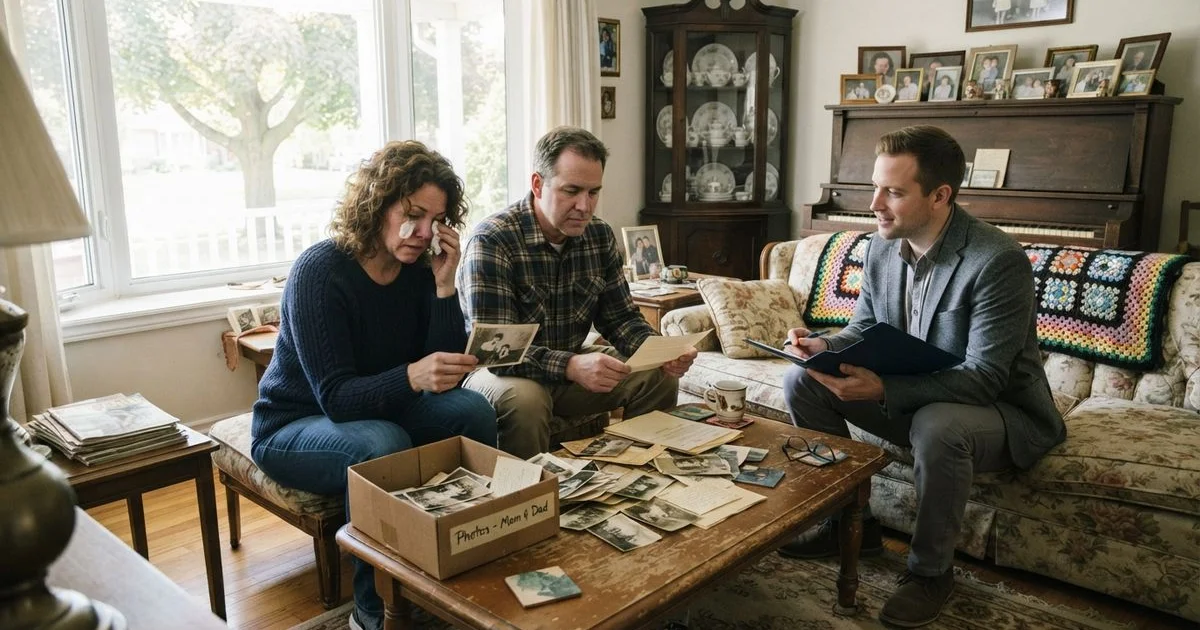
This is general information, not legal, tax or financial advice. Estates are legally precise. Please work with an Ontario estates lawyer, and be kind to yourself. Losing someone and managing their house at once is a lot.
Inheriting a house feels like it should be simple. In practice, the order matters. Do things out of sequence and you can end up unable to sign, unable to close, or unsure who owns what.
Step order
| Step | What happens |
|---|---|
| 1. Find the will | Locate the original and any lawyer who holds it |
| 2. Identify the estate trustee | The named person, or someone appointed by the court |
| 3. Get legal authority | Usually a Certificate of Appointment of Estate Trustee, commonly called probate |
| 4. Secure the property | Insurance, locks, utilities, mail, and a record of contents |
| 5. Decide: keep, rent or sell | The family agrees, or the will directs |
| 6. Value the home | A realtor’s opinion, ideally two |
| 7. Sell | Listing or a cash buyer, with legal sign-off |
| 8. Pay debts, distribute | Handled with your lawyer |
Why the trustee matters
Only the estate trustee has authority to sell. A buyer, and the lawyers, will want to see the court certificate, or understand why it is not needed. If it is delayed, the closing date will wait. This is the main reason inherited sales take longer than a normal sale, and it has nothing to do with the buyer.
Keep the house safe meanwhile
An empty house can lose insurance coverage if the insurer is not told. Keep utilities running at a basic level, check on the property, and keep a record of what is inside.
Where a cash sale fits
Families often consider a cash buyer when the house is dated or needs repairs, when heirs live in different places, or when the estate needs liquid funds. It trades some price for speed and for not having to clear out and renovate. Reviewers in our data describe patient, clear communication as what they valued most. That is their experience.
Agreeing on this matters. If several heirs are involved, all of them may need to be comfortable with the choice. We cover that separately in our guide on when heirs disagree.
Questions to ask a buyer
- Are you comfortable waiting for the court certificate?
- Can you close after the date we know the estate will be ready?
- Will you take the home with contents, or do we clear it?
- Who pays for the legal work on each side?
Don’t skip
Do not accept a deposit or hand over keys until your lawyer confirms the buyer’s funds. Do not sign a contract before the trustee has authority. And do not let a quick timeline override legal steps.
To see businesses focused on estates, browse inherited and estate property sales. Our methodology explains how we vet listings, and the home page shows the rest of the directory.
Questions people ask
- Can I sell the house before probate is finished?
- Usually an estate trustee needs a Certificate of Appointment of Estate Trustee before selling, though some situations differ. An estates lawyer can confirm for yours.
- Who has the authority to sell?
- The estate trustee named in the will, or one appointed by the court if there is no will. Heirs do not automatically have it.
- What if there is no will?
- The estate is intestate, and Ontario law decides who inherits and who may apply to administer it. Get legal advice before listing anything.
- Do I owe tax when the estate sells the house?
- Estate administration tax applies to the estate's value at probate, and other taxes may apply on sale. An accountant or estates lawyer can advise.